Read the Label Like a Cook, Not a Toxicologist

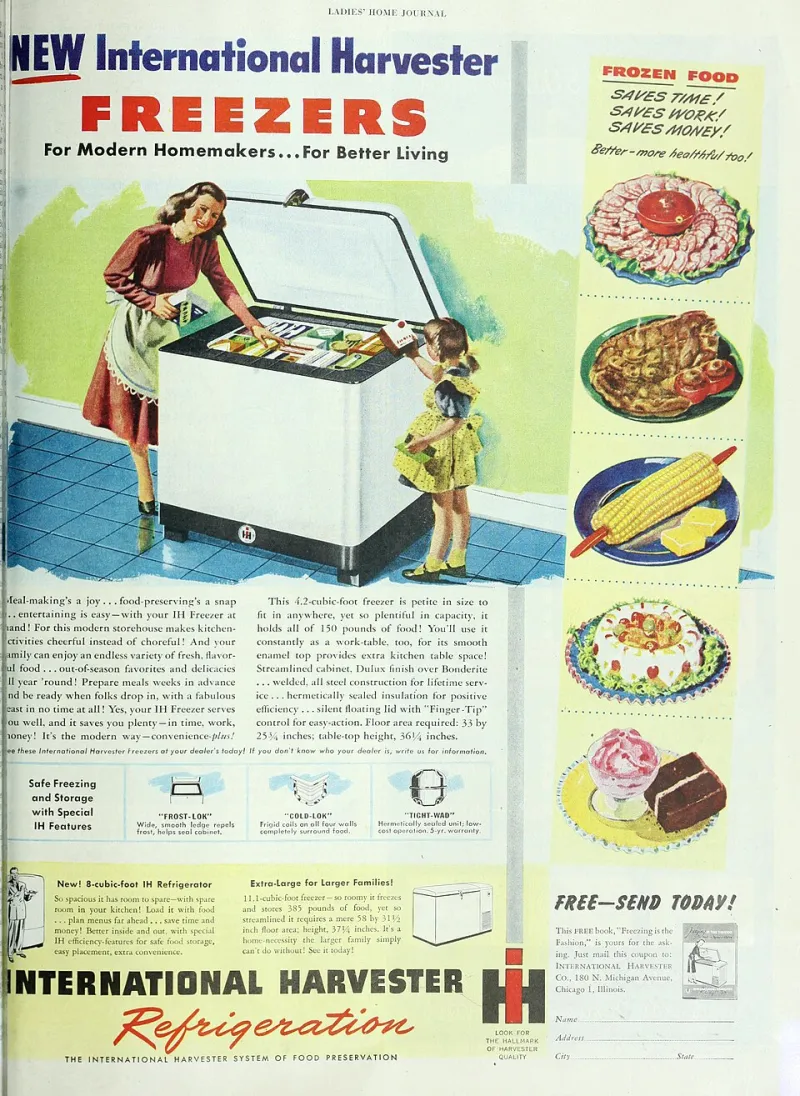
Photo: Ministry of Information Photo Division Photographer, Public domain, via Wikimedia Commons
Somewhere along the way, reading an ingredient label turned into a pop quiz. If you cannot pronounce it, it must be bad. If it has a number, run. If it sounds like a cleaning product, panic.
That is not cooking. That is toxicology cosplay.
At Naturally Clean Eats, clean eating is not a chemistry test. It is a bias toward whole foods—vegetables, beans, grains, eggs, meat, fish, nuts, fruit—and a practical approach to the packaged foods that fill the gaps. Labels are useful. They are not a morality score.
The label is a recipe, not a rap sheet
An ingredient list tells you what is in a package, in descending order by weight. It also tells you what each ingredient is doing. A cook reads it that way: not 'is this scary?' but 'what job does this do?'
Lecithin keeps oil and water together. Xanthan gum gives gluten-free baked goods some stretch. Citric acid adds tartness. Sodium benzoate slows spoilage. These are functions. You can decide whether you want them, but the name alone is not evidence of harm.
Start with the first three ingredients
The beginning of the list matters because those ingredients are present in the largest amounts. If a granola is mostly oats and nuts, great. If it is mostly sugar and oil, you know what you are buying. That is not a scandal; it is information.
Then check the Nutrition Facts for the things you actually care about: added sugar, sodium, fiber, protein, and serving size. A healthy label does not override a tiny serving size. A product with a long ingredient list is not automatically worse than a short one, either. A jar of pasta sauce with citric acid may be a better weeknight choice than a homemade sauce you never make.
The cook's four questions
- What is this product for? Is it a staple, a condiment, or an occasional treat?
- What job does each ingredient do—thickener, emulsifier, acid, preservative, flavor, color?
- How would I make this at home, and is that realistic on a Tuesday?
- Is there a simple whole-food swap that does not add stress?
Those questions lead somewhere useful. Flavored yogurt becomes plain yogurt with fruit. Bottled dressing becomes olive oil, vinegar, and mustard shaken in a jar. Granola becomes oats, nuts, and a little maple syrup toasted at home. Boxed broth becomes stock you keep in the freezer.
Natural and clean are marketing words
Neither term is regulated in a meaningful way on food packages. A product can be labeled natural and still contain added sugar, or be called clean with no standard behind it. That does not make the product evil. It means the word is not doing the work.
Likewise, ultra-processed is a useful research category, not a personal insult. Many foods are processed to some degree—canned beans, frozen vegetables, pasteurized milk. The question is how much of your plate is built from whole ingredients and how often packaged food is standing in for dinner.
A calm framework for the store
Buy whole ingredients when they are practical. Use packaged shortcuts that save time without replacing the meal. Keep a short list of reliable staples—canned tomatoes, beans, oats, frozen vegetables, plain yogurt, good pasta—and read labels for the specific things you care about.
If an ingredient list makes you curious, look it up. If it makes you anxious, put it down and ask whether there is a simpler choice that fits your budget and your schedule. Fear is not an ingredient.
The point is cooking more
Clean eating is not about achieving a perfect label. It is about knowing what is in your kitchen, cooking from whole foods more often, and using packaged foods with intention. A cook's confidence comes from understanding, not from memorizing a list of banned words.
So read the label. Ask what it is for. Then go make dinner.