Your Body Already Has a Filtration System. It Does Not Come in a Tea Bag.
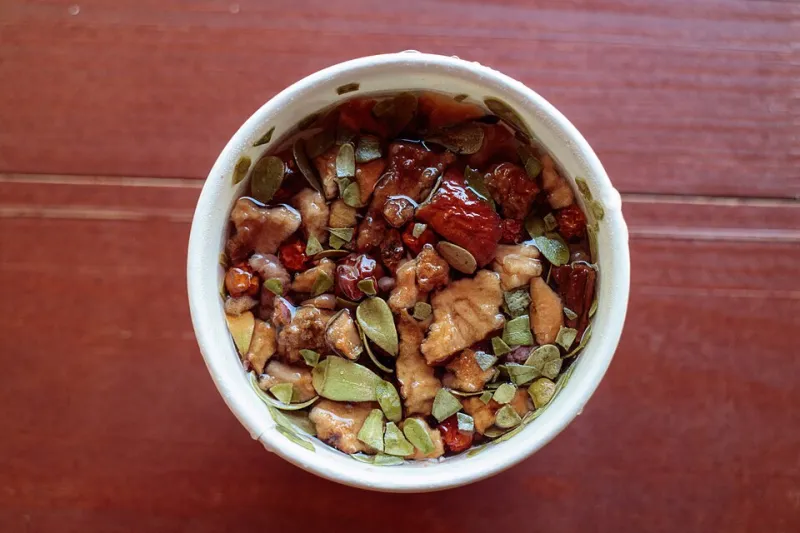
Photo: Vyacheslav Argenberg, CC BY 4.0, via Wikimedia Commons
Every year, somewhere around the second week of January, the internet fills with pastel boxes promising that a steeped blend of dandelion root and senna will undo six weeks of cookies. The pitch is always the same: your body is clogged, sluggish, and full of unnamed toxins, and a $60 box of tea is the mop.
It is a great story. It is also not true.
The word detox is doing an enormous amount of work
In medicine, detoxification means a specific clinical process — managing withdrawal from alcohol, opioids, or other substances, usually in a supervised setting. In marketing, it means whatever the label needs it to mean. No supplement company is required to name the toxins it claims to remove, and the FDA does not review dietary supplements for safety and effectiveness before they hit shelves.
That gap is where the tea lives.
Your liver and kidneys are not behind on their inbox
Your body already runs a sophisticated, continuous filtration operation. The liver processes and breaks down compounds so they can be eliminated. The kidneys filter blood and send waste out through urine. The digestive tract, lungs, and skin all play supporting roles. This system works while you sleep, whether or not you drink anything that tastes like licorice and regret.
There is no research showing that herbal teas speed up that machinery, and there is no way to accelerate the process with food or drink. A short juice cleanse does not reset anything either — it mostly removes fiber and protein from your day and makes you tired.
What the tea actually does
Look closely at a typical detox blend and you will often find a few familiar ingredients: senna (a stimulant laxative), dandelion or uva ursi (diuretics), plus green tea or guarana for caffeine. The result is predictable. You lose water weight, you spend more time in the bathroom, and the scale drops two or three pounds — almost all of it fluid, all of it back within days.
Not glamorous, but there is a bigger issue. Laxative herbs can cause cramping, diarrhea, and electrolyte loss, and long-term use can create dependence. Diuretics do not remove fat. Some herbal ingredients interact with prescription medications, including blood thinners and blood pressure drugs. If you take anything daily, that conversation belongs with a pharmacist, not a sales page.
A reset that respects how bodies actually work
The alternative is not glamorous either, which may be why it gets less attention. It is also cheaper, and it has a much better chance of changing how you feel by February. Think of it as five habits rather than five days.
1. Put protein at breakfast
A morning built on coffee and a pastry sets up a day of chasing energy. Eggs, Greek yogurt, cottage cheese, beans, or last night's leftovers all shift the pattern: steadier energy, less grazing at 3 p.m., fewer decisions made by hunger instead of judgment.
2. Aim for fiber, not restriction
Most Americans get roughly half the fiber they need. Beans, lentils, oats, vegetables, fruit, nuts, and whole grains feed the gut bacteria that produce short-chain fatty acids, support the intestinal lining, and help keep digestion regular. Practical target: 25 to 30 grams a day. If you are currently at 12, add a few grams at a time and drink more water — your gut will be the first to tell you if you moved too fast.
3. Hydrate like an adult, not a challenge
Urine that is pale straw is a reasonable goal. Water, sparkling water, tea, and coffee all count. Broth, soup, and high-water produce count too. Most people do not need a specific number, they need to remember to drink something between 9 and 5.
4. Eat on a schedule
Skipping meals to compensate for the holidays usually backfires into evening overeating. Three meals and one or two snacks, sitting down, is boring in the best way. It also tends to reduce mindless eating, because you are not arriving at dinner famished.
5. Move, sleep, and get outside
A twenty-minute walk after dinner does more for digestion, blood sugar, and mood than anything that comes in a sachet. Sleep is the underrated pillar — short nights raise appetite hormones and make the vending machine look reasonable. And daylight in the morning is one of the simplest ways to get your internal clock back on track after a week of late nights.
A sample reset day
Breakfast: two eggs, sautéed spinach, half an avocado, whole grain toast. Lunch: big bowl of lentil soup with a handful of greens and olive oil. Snack: apple with peanut butter. Dinner: roasted chicken thighs, roasted broccoli, brown rice. Water and tea throughout, and a walk after dinner. Nothing fancy, nothing banned, no box required.
Worth the skepticism
Detox teas, juice cleanses, and week-long fasts share the same flaw: they sell intensity as a substitute for consistency. You do not need to flush anything. You need regular meals, enough fiber, water, movement, and sleep — the same unglamorous inputs that work regardless of what month it is.
One caveat, as always: this is general information rather than medical advice. If you have a kidney condition, a liver condition, diabetes, or take prescription medications, talk to your doctor before changing how you eat.
Your body has been handling the hard part for your entire life. It does not need a tea bag to supervise.